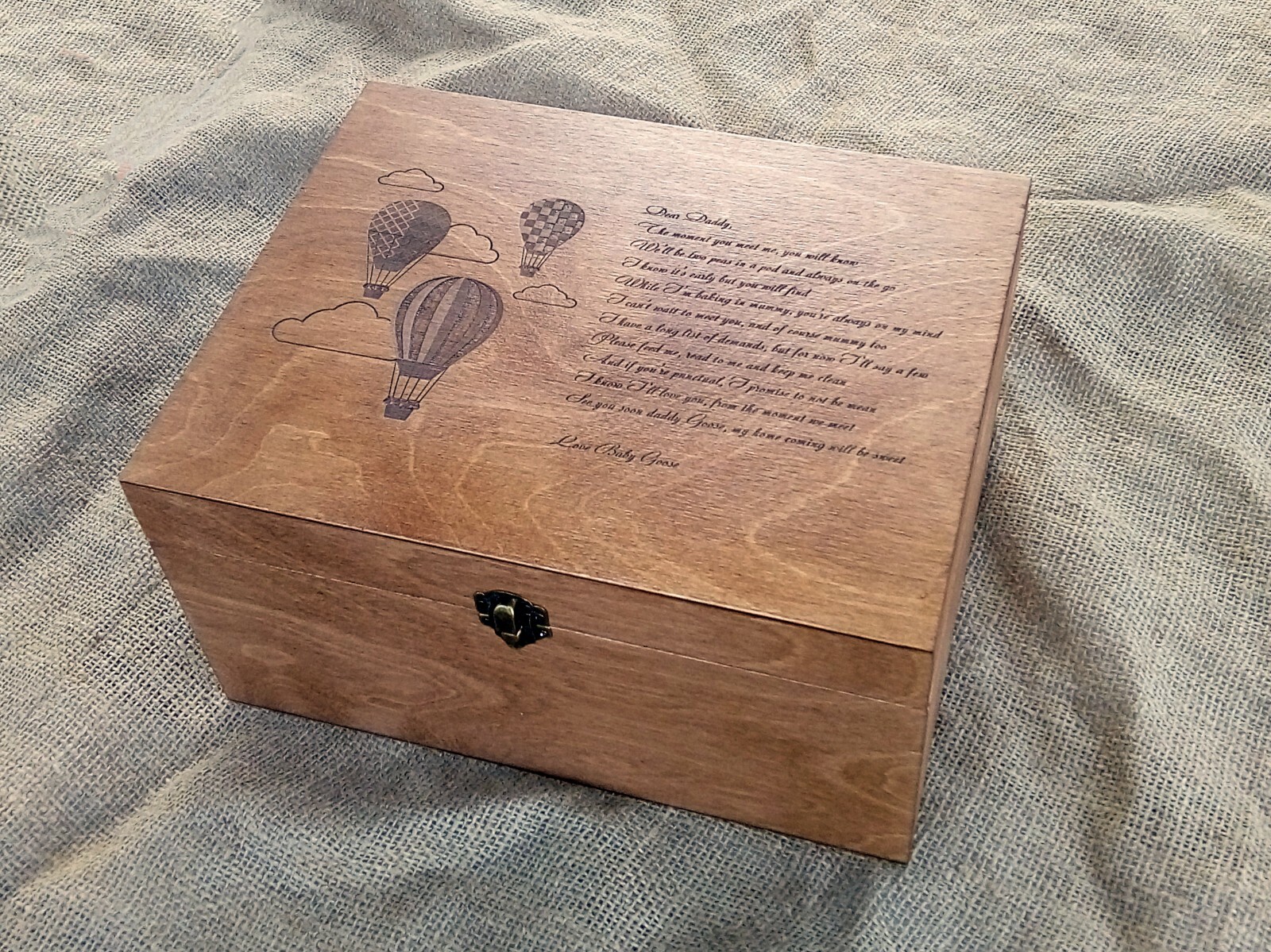
A shoebox full of ticket stubs used to be normal. Somewhere between the first camera phone and the endless scroll, most of that habit moved into the cloud and quietly disappeared from daily life.
This is not really about scrapbooking. It is part of a wider pull back toward analog habits, film cameras, paper journals, mailed letters, that has been building for years among people who feel oversaturated by screens.
Therapists and researchers who study nostalgia, including work out of the University of Southampton by psychologists Constantine Sedikides and Tim Wildschut, have found that handling personal keepsakes lowers stress and strengthens a sense of identity. A folder buried on a phone rarely produces that effect, because nobody opens it by accident.
Pew Research Center has tracked how photo taking shifted almost entirely to smartphones over the past decade, a shift that also changed how rarely those photos get looked at again once they land in an endless camera roll.
What a Memory Box Actually Is
A memory box is a small container, often a shoebox, tin, or drawer, set aside for objects that mark a specific season of life. It works differently from a camera roll because touch and placement carry their own memory cues, something cognitive researchers call context dependent recall.
Building one does not require a hobby background. The process stays simple enough to start this weekend.
- Choose a container with a lid, sized for one season rather than a lifetime.
- Set a short list of categories, such as travel and friendship keepsakes.
- Print a handful of digital photos or video stills instead of saving every file.
- Add one handwritten note per item explaining why it mattered.
- Review the box twice a year and retire items that no longer feel relevant.
Physical Box vs Cloud Album
| Factor | Memory box | Cloud album |
| Recall strength | Higher, tied to touch and placement | Lower, passive scrolling |
| Storage limit | Physical space only | Depends on subscription plan |
| Risk of loss | Fire or flood damage | Account deletion, platform shutdown |
| Setup effort | Printing and curating required | Automatic backup |
Neither format wins outright. A box protects against a locked account or a shuttered app, while a cloud album protects against a house fire. Most people who keep both report less anxiety about losing either one.
Bringing Digital Moments Into the Box
Some of the best entries start as a post rather than a printed photo, a short clip from a trip, a voice note from a friend, a video someone shared before deleting the account. Once that kind of clip disappears from a timeline, it is gone unless it was saved first.
For posts already on the edge of vanishing, sssTwitter works as a twitter video downloader high quality enough to hold onto before the file gets trimmed down to a printed still for the box. No account or software install is needed, and the saved clip stays on the device rather than a server somewhere.
What Not to Keep
A box only stays useful if it stays small. Skip duplicate photos, receipts without a story attached, and anything kept purely out of guilt about deleting it.
A rough limit, one inch of items added per year, keeps the box from turning into the same overwhelming pile it was meant to replace.
Keeping the Habit Small
The people who stick with this longest treat it as a monthly five minute task, not an archiving project. A single photo, one printed frame, and a short note beat a folder of a thousand unsorted files.
Digital wellbeing researchers, including those cited by the American Psychological Association on screen habits, generally agree that fewer, more deliberate choices around personal media reduce the low grade fatigue that comes from endless scrolling. A memory box forces exactly that kind of choice, one object at a time.
Start with whatever container is already sitting empty in a closet. The ritual matters more than the packaging.